
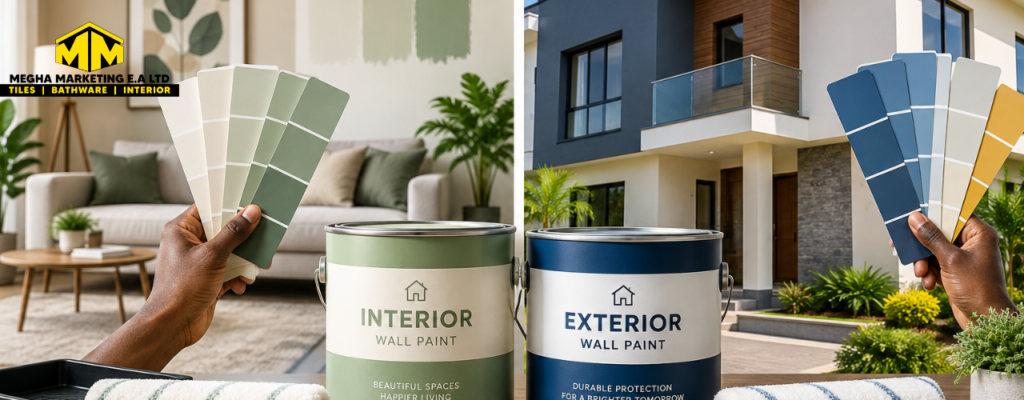
A can of paint looks simple on the shelf, but the choice behind it covers more than just color. Finish, surface prep, and even the room’s light all shape how a wall looks once the paint dries. Get the finish wrong in a busy kitchen, and you end up repainting within a year.
This guide walks through how to pick the right paint for interior walls, room by room, so the color you love on the swatch still looks right on the wall six months later. Let’s break it down.
Start With the Finish, Not the Color
Paint finish, also called sheen, describes how much light a dry paint surface reflects. The five common finishes for interior walls run from flat to high gloss.
- Matte or flat: Absorbs the most light and hides small wall flaws well, which makes it a strong pick for ceilings and low-traffic rooms.
- Eggshell: Gives a soft, low-sheen look and stays easier to clean than flat paint, making it the most common all-purpose choice for walls in bedrooms, living rooms, and hallways.
- Satin: Reflects a bit more light than eggshell and holds up well in busier spaces, though it shows roller marks and wall imperfections more clearly.
- Semi-gloss: A durable, easy-to-clean finish suited to trim, doors, and rooms that need frequent wiping, such as kitchens.
- Gloss: The shiniest and most washable finish, generally kept to trim, doors, and cabinetry rather than full walls.
Eggshell and satin together make up most of the interior wall paint sold, since they balance a soft look with enough durability for daily family life.
Match the Paint Finish to Each Room
- Living room: Eggshell or satin balances a soft look with enough durability for daily use.
- Bedroom: Eggshell suits adult bedrooms well. For a child’s room, step up to satin for better resistance to marks and scuffs.
- Kitchen: Semi-gloss or satin handles grease and regular wiping better than a flatter finish.
- Bathroom: Satin or semi-gloss resists moisture and soap residue, which keeps the wall looking fresh longer.
- Hallway: Eggshell or satin stands up to the scuffs that come from bags, shoulders, and foot traffic.
- Ceiling: A dedicated flat ceiling paint hides drywall seams and texture far better than a standard wall finish.
Keep the finish consistent across connected walls in the same room. Mixing eggshell on one wall with satin on the next makes the light bounce unevenly, and it looks like a patch job even with a perfect color match.
Consider the Wall Surface Before You Buy
A higher sheen shows every flaw in the surface underneath it, so check the wall condition before deciding on a finish. Rough or patched drywall looks better under a lower sheen like matte or eggshell, while a smooth, well-prepared wall can carry a satin or semi-gloss finish without flaws standing out.
Sand down rough patches, fill cracks, and wipe down dust before painting. Skipping this step is the most common reason a fresh coat of paint still looks uneven once it dries.
Water-Based vs Solvent-Based Paint
Most interior wall paint sold today is water-based (emulsion), which dries faster, carries less odor, and cleans up with just water. Solvent-based (oil) paint dries harder and resists stains well, which makes it a better fit for high-touch trim and doors rather than full walls. For most rooms in a Kenyan home, a quality water-based emulsion in the right finish covers everyday needs without the stronger smell and longer drying time that comes with solvent-based paint.
Pick a Color That Works With Kenyan Light
Natural light varies room to room, and it changes how a color reads on the wall. A room that faces direct sun through most of the day can handle deeper, richer colors without feeling closed in, while a room with limited natural light often looks better with lighter, warmer tones that keep the space feeling open. Test a color on the actual wall, in the actual room, at different times of day, before committing to full cans for the whole house.
Don’t Skip the Primer
Primer gives the topcoat something even to grip, especially over a wall that has been patched, previously painted a dark color, or is brand new plaster. Skipping primer on a patched or repainted wall often shows up later as an uneven sheen or a color that looks different from the swatch. On a fresh, unpainted wall, primer also cuts down on how much topcoat you need, since raw plaster and drywall soak up paint fast without it.
Estimate How Much Paint You Need
Most paint cans list coverage per liter, usually enough for around 10 to 12 square meters per coat on a properly primed wall. Measure the total wall area, subtract windows and doors, then divide by the coverage rate listed on the can. Plan for two coats on any wall changing to a noticeably different color, and buy slightly more than the exact calculation to cover touch-ups later without a mismatched batch.
Where to Buy Interior Paint in Kenya
Megha Marketing stocks interior wall paint from established brands including Basco, Crown, and Jotun, at its Mombasa and Nairobi branches, along with supply and application services for larger projects. Comparing finishes and brands in person, rather than guessing from an online swatch, makes it easier to match the right paint to the room before you commit to a full order.
Picking the right paint for interior walls comes down to matching the finish to how the room actually gets used, prepping the wall properly, and testing the color in the room’s real light before buying in bulk. Get those three steps right, and the paint job holds up well past the first year.
Frequently Asked Questions
What is the best paint finish for interior walls in Kenya?
Eggshell works well for most living spaces since it balances a soft look with easy cleaning. Satin or semi-gloss suits kitchens and bathrooms better, where moisture and regular wiping call for a more durable finish.
Should I use matte or eggshell paint on my bedroom walls?
Both work well. Matte gives a softer, more modern look and hides wall flaws better, while eggshell cleans up more easily and holds up slightly better against everyday marks and scuffs.
How many coats of paint does an interior wall need?
Most walls need two coats for even, solid coverage, especially when changing to a noticeably different color. A single coat often leaves patchy spots where the old color or primer shows through.
Do I needprimer before painting interior walls?
Yes, particularly on patched walls, dark previous colors, or new plaster. Primer helps the topcoat go on evenly and keeps the final color closer to what you see on the paint swatch.
How do I estimate how much paint to buy for a room?
Measure the wall area, subtract windows and doors, then divide by the coverage rate listed on the paint can, usually around 10 to 12 square meters per liter per coat. Buy a bit extra for touch-ups down the line.

Jeegar Shah is a building materials and interior solutions professional at Megha Marketing EA Ltd. He shares practical insights on tiles, bathware, kitchen solutions, construction materials, and modern interior finishes to help homeowners and industry professionals make better product choices.